
In India’s highly competitive FMCG market, packaging is no longer just a protective layer around a product. It has become one of the most powerful marketing tools available to brands.
Today’s consumers make purchasing decisions within seconds. Before reading ingredients, comparing prices, or checking reviews, they notice the packaging. A well-designed package can instantly communicate quality, trust, and brand value.
As consumer behavior continues to evolve, FMCG companies are investing more heavily in professional Packaging Design Services to create packaging that not only stands out on shelves but also performs effectively across e-commerce, retail, and digital platforms.
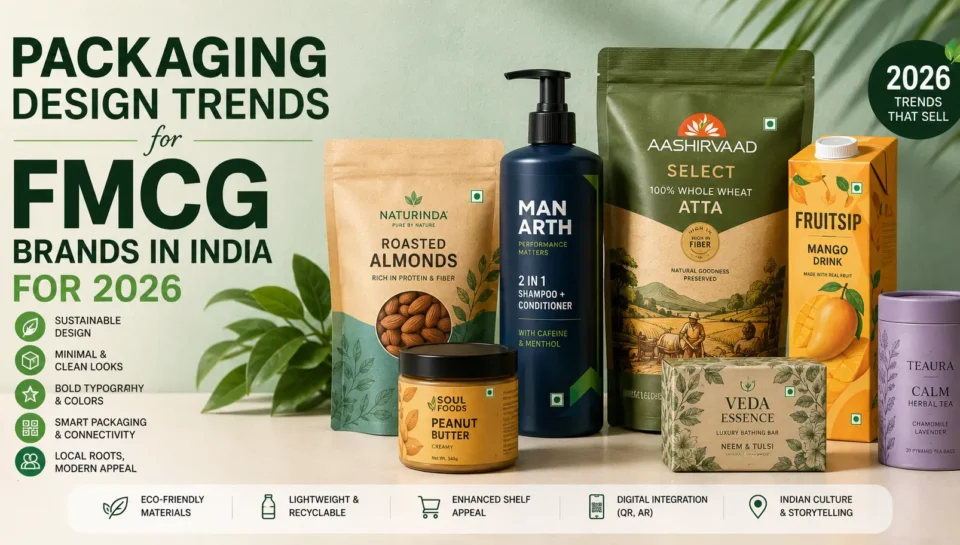
In this guide, we’ll explore the biggest packaging design trends expected to dominate India’s FMCG sector in 2026 and how brands can leverage these trends to gain a competitive advantage.
Quick Overview: FMCG Packaging Trends for 2026
Top Trends at a Glance
- Sustainable and eco-friendly packaging
- Minimalist packaging design
- Smart packaging technology
- Bold typography and clean branding
- Regional and cultural storytelling
- Premium packaging experiences
- E-commerce optimized packaging
- Transparent packaging elements
- AI-driven packaging personalization
- Production-ready packaging systems
Why Packaging Design Matters More Than Ever
According to industry studies, consumers often form first impressions of a product within a few seconds of viewing it.
For FMCG brands, packaging influences:
- Purchase decisions
- Brand recognition
- Customer trust
- Product differentiation
- Customer retention
- Premium pricing opportunities
This is why leading brands are partnering with specialized Packaging Design Services providers rather than treating packaging as a simple design task.
Packaging today must function as:
- A silent salesperson
- A branding tool
- A communication channel
- A customer experience touchpoint
Trend #1: Sustainable Packaging Takes Center Stage
Environmental awareness continues to influence purchasing behavior across India.
Consumers increasingly prefer products that demonstrate a commitment to sustainability.
In 2026, expect to see:
- Recyclable packaging materials
- Reduced plastic usage
- Paper-based alternatives
- Compostable packaging
- Eco-friendly inks
- Lightweight packaging solutions
Brands that communicate sustainability clearly through packaging design are likely to gain stronger consumer trust.
Why It Works
Consumers increasingly associate environmentally responsible packaging with modern and trustworthy brands.
Trend #2: Minimalist Packaging Design Continues to Grow
Less is more.
Minimalist packaging is becoming increasingly popular because it helps products appear premium, modern, and easy to understand.
Characteristics include:
- Clean layouts
- More white space
- Simple color palettes
- Limited text
- Clear product hierarchy
In crowded FMCG categories, simplicity often attracts more attention than cluttered designs.
Example
Instead of filling every inch of packaging with claims and graphics, successful brands focus on one clear message and one strong visual identity.
Trend #3: Packaging Designed for E-Commerce
Online shopping is transforming packaging requirements.
Products are now being viewed first on mobile screens before they are seen physically.
Packaging Design Services in 2026 will increasingly focus on:
- Thumbnail visibility
- Mobile-friendly branding
- Strong visual contrast
- Product recognition at smaller sizes
- Unboxing experiences
Packaging that performs well online often generates higher click-through and conversion rates.
Trend #4: Bold Typography Becomes a Brand Asset
Typography is becoming a central design element rather than just a way to present information.
Many FMCG brands are using:
- Large product names
- Custom typefaces
- Bold brand identifiers
- Simple messaging
Strong typography helps products remain recognizable even from a distance.
This trend is particularly effective for:
- Food products
- Health supplements
- Beauty products
- Household goods
Trend #5: Regional and Cultural Storytelling
Indian consumers appreciate authenticity.
Brands are increasingly using local stories, traditions, ingredients, and cultural references in packaging design.
Examples include:
- Regional artwork
- Traditional motifs
- Local language elements
- Heritage-inspired illustrations
This trend helps brands build stronger emotional connections with consumers.
Trend #6: Premiumization of Everyday FMCG Products
Consumers are increasingly willing to pay more for products that look premium.
As a result, packaging is evolving to include:
- Luxury finishes
- Premium color palettes
- Embossing effects
- Matte textures
- Metallic accents
Even everyday products such as snacks, spices, oils, and personal care items are adopting premium packaging strategies.
Business Impact
Premium packaging often allows brands to command higher prices while enhancing perceived value.
Trend #7: Smart Packaging Technology
Technology is becoming part of packaging itself.
Smart packaging features expected to grow include:
- QR codes
- Product authentication
- Interactive experiences
- Ingredient transparency
- Digital storytelling
Consumers increasingly expect access to detailed product information directly from the packaging.
Trend #8: Transparent Packaging Builds Trust
Modern consumers want to see what they’re buying.
Transparent packaging elements are becoming common across:
- Food products
- Organic products
- Health supplements
- Pet food products
Visibility increases confidence and reduces uncertainty.
Brands that showcase product quality directly through packaging often experience stronger customer trust.
Trend #9: AI-Powered Packaging Personalization
Artificial Intelligence is influencing design decisions across industries.
In 2026, AI-driven packaging strategies may include:
- Personalized packaging variations
- Market-specific packaging designs
- Consumer behavior insights
- Data-driven design optimization
While human creativity remains essential, AI will increasingly support design decision-making.
Trend #10: Production-Ready Packaging Systems
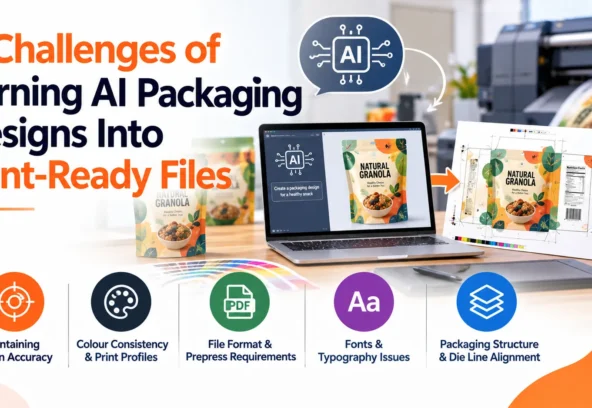
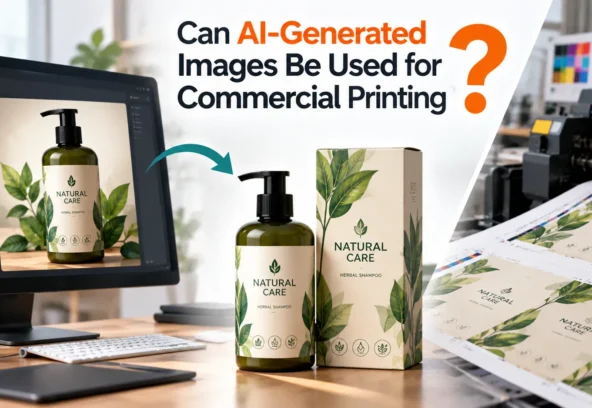
One of the biggest challenges FMCG brands face is the gap between beautiful designs and production-ready artwork.
Many designs look great digitally but encounter problems during printing and manufacturing.
Forward-thinking brands now prioritize:
- Print-ready packaging files
- Production accuracy
- Regulatory compliance
- Consistent color management
- Artwork optimization
This reduces costly production errors and accelerates product launches.
Common Packaging Design Mistakes FMCG Brands Should Avoid
Even strong brands sometimes make packaging mistakes that impact sales.
Overcrowded Designs
Too much information can confuse consumers.
Inconsistent Branding
Every product in the portfolio should feel connected to the master brand.
Ignoring Shelf Visibility
Packaging must stand out in retail environments.
Poor Print Preparation
Designs should be production-ready before printing begins.
Following Trends Without Strategy
Trends should support brand positioning, not replace it.
How Professional Packaging Design Services Create Competitive Advantage
Professional Packaging Design Services provide much more than aesthetics.
The right agency helps brands:
- Improve shelf impact
- Increase product recognition
- Strengthen brand identity
- Enhance customer experience
- Reduce production errors
- Support product launches
- Improve long-term brand equity
For FMCG brands competing in crowded categories, packaging often becomes a key differentiator.
Why FMCG Brands Choose Langoor Designs
With over 13 years of industry experience, Langoor Designs has built a reputation for creating production-ready packaging solutions that balance creativity, functionality, and market performance.
Their expertise includes:
- FMCG Packaging Design
- Packaging Artwork Production
- Brand Identity Design
- Product Packaging Systems
- Packaging Adaptation
- Production-Ready Artwork
Having delivered over 500 projects across 50+ markets, Langoor Designs understands how packaging influences consumer behavior and business growth.
Their approach combines:
- Strategic thinking
- Creative excellence
- Production expertise
- Market insights
This helps brands launch products with confidence while maintaining consistency across product portfolios.
The Future of FMCG Packaging in India
The FMCG packaging landscape in India is evolving rapidly.
Consumers expect packaging that is:
- Sustainable
- Informative
- Premium
- Functional
- Authentic
- Visually appealing
Brands that adapt to these expectations early will have a stronger opportunity to capture market share and build lasting customer loyalty.
The most successful packaging in 2026 won’t simply look attractive—it will communicate value, build trust, and create memorable customer experiences.
Frequently Asked Questions (FAQs)
What are Packaging Design Services?
Packaging Design Services involve creating the visual appearance, structure, branding, and production-ready artwork for product packaging to improve market appeal and customer engagement.
Why is packaging important for FMCG brands?
Packaging influences first impressions, purchasing decisions, brand recognition, and customer loyalty, making it a critical component of FMCG marketing.
What packaging trend is expected to dominate in 2026?
Sustainable packaging, minimalist design, and e-commerce-friendly packaging are expected to be among the most influential trends.
How can packaging increase sales?
Effective packaging improves visibility, communicates value, creates trust, and encourages impulse purchases, all of which can contribute to higher sales.
What is production-ready packaging?
Production-ready packaging refers to packaging artwork and files that are optimized for printing, manufacturing, and regulatory compliance.
How often should FMCG brands update packaging designs?
Most FMCG brands review packaging every 2–5 years or whenever significant market, consumer, or competitive changes occur.
Final Thoughts
In 2026, packaging will continue to be one of the most influential factors affecting FMCG brand success in India.
From sustainability and smart technology to premium aesthetics and production-ready execution, modern packaging must balance creativity with commercial performance.
Investing in professional Packaging Design Services is no longer optional for brands that want to remain competitive. It is a strategic decision that directly impacts customer perception, product visibility, and long-term growth.
For FMCG companies looking to future-proof their packaging strategy, embracing these emerging trends today can create significant advantages tomorrow.