
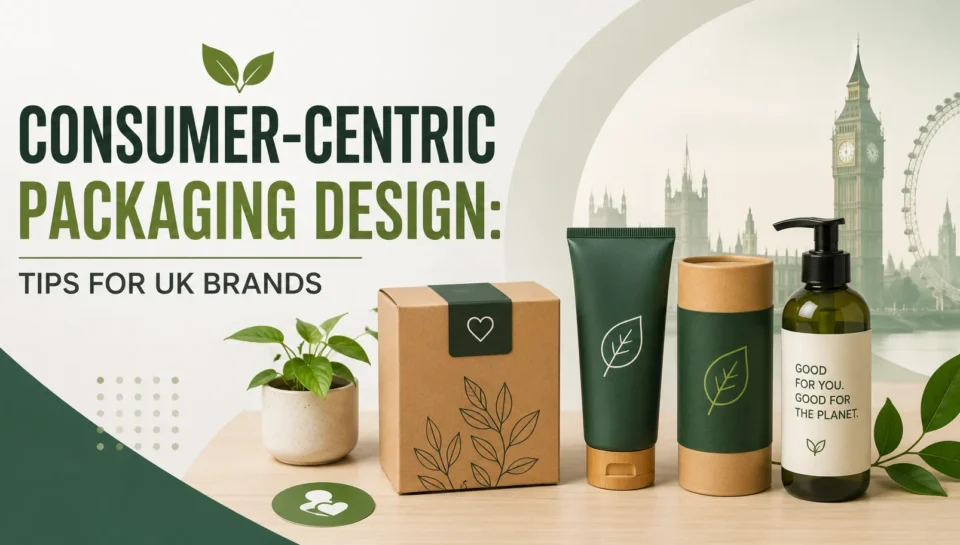
In today’s competitive marketplace, great packaging is no longer just about looking attractive on a retail shelf. Modern consumers expect packaging that is easy to use, visually appealing, sustainable, informative, and accessible. Brands that understand these expectations are more likely to build customer trust, improve loyalty, and increase repeat purchases.
This shift has led to the rise of consumer-centric packaging design a design approach that puts the customer’s needs, preferences, and experiences at the centre of every packaging decision.
Whether you’re launching a new FMCG product, redesigning an existing range, or entering the UK market, creating packaging around your customers rather than your products can make a significant difference.
In this guide, we’ll explore what consumer-centric packaging means, why it’s important, and practical tips UK businesses can use to create packaging that customers genuinely appreciate.
What Is Consumer-Centric Packaging Design?
Consumer-centric packaging design is the process of creating packaging based on how customers interact with a product before, during, and after purchase.
Instead of focusing only on branding or aesthetics, this approach considers the complete customer experience, including:
- Ease of opening
- Product protection
- Accessibility
- Sustainability
- Readability
- Convenience
- Storage
- Disposal
- Emotional connection
The objective is simple: make the product easier, safer, and more enjoyable for customers to use.
Why Consumer-Centric Packaging Matters
Consumers today have more choices than ever before.
If two products offer similar quality and pricing, packaging often becomes the deciding factor.
Customer-focused packaging can help businesses:
- Improve first impressions
- Increase product trust
- Encourage repeat purchases
- Reduce customer frustration
- Strengthen brand loyalty
- Improve online reviews
- Differentiate products in crowded markets
For many UK brands, packaging has become one of the most effective tools for improving customer experience.
Understand Your Target Audience First
The best packaging starts with understanding your customers.
Before beginning any packaging design UK project, ask questions such as:
- Who is the ideal customer?
- What challenges do they face?
- Where will they buy the product?
- How will they use it?
- What information matters most to them?
For example:
A premium skincare brand may prioritise elegant packaging and premium finishes.
A family food brand may focus on convenience, resealability, and easy-to-read nutritional information.
Design decisions should always reflect customer expectations rather than personal preferences.
Make Packaging Easy to Open
One of the most common customer frustrations is packaging that’s difficult to open.
Poor opening experiences can negatively affect brand perception.
Consumer-friendly packaging should:
- Open without excessive force
- Require minimal tools
- Avoid unnecessary plastic layers
- Protect products without making access difficult
Easy-open packaging improves customer satisfaction across all age groups.
Prioritise Readability
Consumers should be able to identify important information within seconds.
Use:
- Clear typography
- Appropriate font sizes
- Strong colour contrast
- Logical information hierarchy
- Simple language
Important information such as product names, ingredients, usage instructions, expiry dates, and warnings should never be difficult to find.
Readability becomes even more important for healthcare, food, and cosmetic products.
Design for Accessibility
One of the fastest-growing priorities in accessibility packaging UK is inclusive design.
Accessible packaging helps ensure products can be used comfortably by as many people as possible, including older adults and individuals with visual, physical, or cognitive impairments.
Consider features such as:
- Larger font sizes
- High-contrast colours
- Easy-grip containers
- Tactile opening indicators
- Clear instructions
- Colour-blind-friendly palettes
Inclusive packaging not only improves customer experience but also demonstrates a brand’s commitment to accessibility.
Focus on Sustainability
Modern consumers increasingly expect environmentally responsible packaging.
Businesses should evaluate opportunities to use:
- Recyclable materials
- Lightweight packaging
- Paper-based alternatives
- Reduced plastic
- Minimal packaging components
- Refillable packaging systems
Sustainability should enhance functionality rather than compromise product protection.
Consumers appreciate brands that clearly communicate how packaging should be recycled or disposed of responsibly.
Balance Creativity with Functionality
Eye-catching packaging attracts attention, but functionality determines long-term customer satisfaction.
Ask questions such as:
- Is the product easy to store?
- Is the packaging durable?
- Can customers reseal it?
- Will it survive transportation?
- Does it protect the product effectively?
The best packaging combines visual appeal with practical usability.
Create Consistent Brand Recognition
Consumers should instantly recognise your products.
Consistency across product ranges strengthens trust and brand recall.
Maintain consistency in:
- Colour systems
- Typography
- Logo placement
- Visual style
- Brand messaging
- Packaging hierarchy
Strong brand consistency makes it easier for customers to identify products both in stores and online.
Design for Retail and E-commerce
Today’s packaging needs to perform in two environments.
In Retail
Packaging should:
- Stand out on crowded shelves
- Capture attention quickly
- Communicate value clearly
Online
Packaging should:
- Look attractive in product thumbnails
- Photograph well
- Support memorable unboxing experiences
- Protect products during shipping
Designing for both physical and digital channels creates a stronger overall customer experience.
Use Smart Packaging Features
Technology is becoming part of the customer journey.
Many UK brands now include:
- QR codes
- Product tutorials
- Recycling guidance
- Product authentication
- Loyalty programme access
- Customer support links
These features provide additional value without cluttering the physical packaging.
Test Packaging Before Launch
One of the most effective ways to improve consumer-focused packaging is to gather real customer feedback.
Testing can reveal issues such as:
- Difficult opening
- Poor readability
- Weak shelf visibility
- Confusing messaging
- Storage challenges
Even small adjustments based on user feedback can significantly improve customer satisfaction.
Common Mistakes UK Brands Should Avoid
Even experienced businesses can overlook important customer needs.
Common mistakes include:
Prioritising Design Over Usability
Beautiful packaging should still be practical.
Overloading Packaging with Information
Too much text overwhelms customers.
Ignoring Accessibility
Packaging should be usable by a broad range of consumers.
Weak Sustainability Messaging
If packaging is recyclable or reusable, explain this clearly.
Inconsistent Branding
Every product should feel like part of the same brand family.
Avoiding these mistakes helps create packaging that performs better across multiple customer touchpoints.
Consumer-Centric Packaging Trends for UK Brands
The future of packaging design UK is becoming increasingly customer-focused.
Key trends include:
- Accessible packaging
- Smart packaging technology
- Minimalist design
- Sustainable materials
- Refillable packaging
- Personalised customer experiences
- Digital product information
- Inclusive branding
- Easy-open structures
- Production-ready sustainable packaging
Businesses that adopt these trends early are likely to strengthen customer loyalty and improve market competitiveness.
How Langoor Designs Helps Brands Create Customer-Focused Packaging
Creating packaging that customers genuinely appreciate requires more than creativity. It requires an understanding of consumer behaviour, production requirements, branding, and market trends.
With over 13 years of experience, 500+ completed projects, and clients across 50+ global markets, Langoor Designs helps businesses develop packaging solutions that combine strategic thinking with production-ready execution.
Their services include:
- Packaging Design Services
- Consumer-Centric Packaging Design
- Packaging Artwork Production
- Label Design
- Prepress Services
- Packaging Adaptation
- Brand Identity Design
- Sustainable Packaging Solutions
Rather than focusing solely on aesthetics, Langoor Designs creates packaging that enhances customer experiences, improves retail performance, and supports long-term business growth.
Whether you’re launching a new FMCG product or redesigning an existing packaging range, their team helps ensure every packaging decision is driven by real customer needs.
Frequently Asked Questions
What is consumer-centric packaging design?
Consumer-centric packaging design focuses on creating packaging that improves the customer experience through usability, accessibility, sustainability, and effective communication.
Why is consumer-focused packaging important?
It helps improve customer satisfaction, strengthens brand trust, increases repeat purchases, and differentiates products in competitive markets.
What is accessibility packaging?
Accessibility packaging is designed to be easy for people of different ages and abilities to open, read, use, and dispose of safely.
How can packaging improve customer loyalty?
Packaging creates the first physical interaction with a product. A positive experience encourages trust, repeat purchases, and brand recommendations.
What industries benefit most from consumer-centric packaging?
Food and beverage, cosmetics, healthcare, personal care, household products, pet care, and FMCG brands all benefit from customer-focused packaging strategies.
How can a packaging design agency help?
A professional packaging design agency combines consumer research, branding, structural design, sustainability, and production expertise to create packaging that performs effectively across retail and digital channels.
Final Thoughts
Consumer expectations continue to evolve, and packaging has become one of the most important touchpoints between brands and customers. Businesses that prioritise usability, accessibility, sustainability, and thoughtful design create stronger emotional connections and more memorable product experiences.
Consumer-centric packaging is no longer just a design trend it is a long-term business strategy that influences purchasing decisions, strengthens brand loyalty, and supports sustainable growth.
For UK businesses looking to stand out in competitive markets, investing in customer-focused packaging is one of the smartest ways to create products that customers not only choose but continue to trust.